


In 2022, Norway made world headlines after a courtroom dominated that breeding English Bulldogs and Cavalier King Charles Spaniels violated the nation’s animal welfare legal guidelines. The choice ignited a global debate about whether or not conventional canine breeding practices, particularly these prioritizing look over well being, can nonetheless be justified in mild of contemporary veterinary science.
Since that unique ruling, the dialog has developed. New authorized choices, ongoing enforcement challenges, and rising worldwide scrutiny have reshaped what the long run could maintain for these beloved however medically susceptible breeds.
What Sparked the Controversy in 2022
The unique case was introduced by animal welfare organizations who argued that breeding Bulldogs and Cavaliers inherently causes struggling as a consequence of widespread genetic and structural well being issues.
The Oslo District Courtroom agreed, citing Norway’s Animal Welfare Act, which requires that animals be bred in ways in which promote good well being and pure operate. The courtroom concluded that:
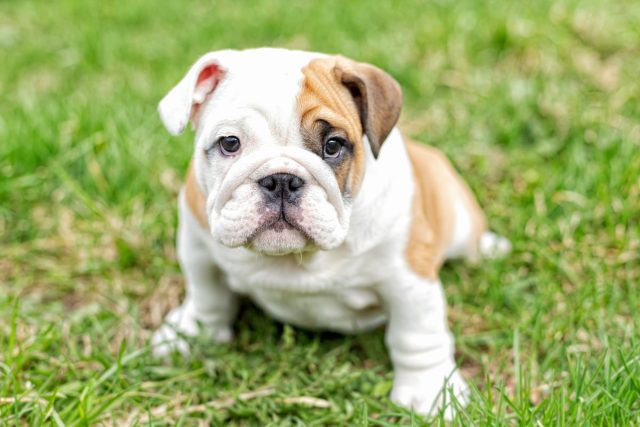
English Bulldogs generally undergo from extreme respiration difficulties as a consequence of flat faces (brachycephalic obstructive airway syndrome, or BOAS), warmth intolerance, and orthopedic points.
Cavalier King Charles Spaniels face extraordinarily excessive charges of mitral valve illness and syringomyelia, painful neurological circumstances that always shorten their lives.
The ruling successfully banned breeding of each breeds in Norway. It was the primary of its variety worldwide.
A Main Replace: Norway’s Supreme Courtroom Weighs In
In October 2023, Norway’s Supreme Courtroom partially revised the unique choice, making a extra nuanced final result:
The breeding ban on Cavalier King Charles Spaniels was upheld. The courtroom dominated that the breed’s genetic well being points are so widespread that moral breeding is presently not doable below Norwegian legislation.
The blanket ban on English Bulldogs was overturned. Nevertheless, breeding is simply permitted below strict health-focused circumstances, together with outcrossing and measurable enhancements in respiration, mobility, and total operate.
This break up choice displays a rising authorized consensus: some breeds could also be salvageable by means of rigorous reform, whereas others face genetic challenges so extreme that continued breeding raises severe moral considerations.
Ongoing Challenges and Enforcement Issues
Regardless of the authorized rulings, enforcement has confirmed troublesome. Norwegian animal welfare teams report that:
Unlawful or unregulated breeding continues, notably for Cavaliers.
Demand for well-liked breeds usually pushes breeding underground, the place well being testing and welfare requirements are ignored.
Present legal guidelines lack clear mechanisms for monitoring genetic well being outcomes over time.
These challenges underscore a broader problem: banning or regulating breeding is simply efficient when paired with training, transparency, and client accountability.
How the International Canine World Has Responded
Norway’s actions have despatched shockwaves by means of kennel golf equipment, veterinary organizations, and breeders worldwide.
Kennel golf equipment in Europe and the UK largely oppose breed bans, arguing that accountable breeding reform — not prohibition — is the most effective path ahead.
Veterinary associations and welfare teams more and more assist measurable well being standards, genetic range, and revised breed requirements that prioritize operate over aesthetics.
Nations just like the Netherlands have already applied restrictions on breeding canine with excessive bodily traits, notably flat-faced breeds.
Collectively, these efforts sign a gradual however significant shift away from “looks first” breeding.
Has This Affected Breeding Legal guidelines in the USA?
Briefly: in a roundabout way. However the dialog is altering.
The U.S. presently has no federal legal guidelines banning the breeding of particular canine breeds based mostly on well being or conformation.
Nevertheless, Norway’s rulings have influenced veterinary discourse, animal welfare advocacy, and restricted state-level proposals.
Some states have launched payments or ordinances addressing excessive breeding traits, although none have resulted in nationwide breed bans.
Organizations just like the American Kennel Membership strongly oppose breed-specific laws, advocating as an alternative for voluntary well being testing and breeder training.
For now, most U.S. progress stays cultural fairly than authorized, pushed by consciousness, client demand, and stress on breeders to enhance.

What This Means for Canine Mother and father (and Future Canine Mother and father)
Even with out sweeping legal guidelines, particular person selections matter. Whether or not you already share your life with a canine or are contemplating bringing one dwelling, you’ve gotten actual energy to affect moral breeding.
Right here’s how one can assist:
1. Select breeders who prioritize well being, not look
2. Assist transparency
3. Don’t gasoline demand for unhealthy developments
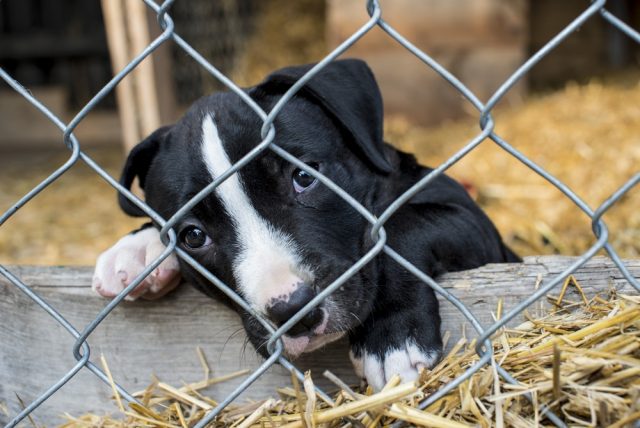
4. Contemplate adoption or rescue
Breed-specific rescues exist for Bulldogs, Cavaliers, and different high-risk breeds.
Adoption helps cut back stress on irresponsible breeders.
5. Advocate for higher requirements
The Greater Image: Redefining What Moral Breeding Appears to be like Like
Norway’s choices didn’t finish the controversy; they amplified it. As science reveals extra about inherited illness and struggling, societies are being pressured to confront an uncomfortable query:
If we love canine, are we keen to vary how we breed them?
Progress could also be gradual and uneven, however momentum is constructing. By knowledgeable selections, moral breeding requirements, and continued advocacy, canine lovers world wide may also help be certain that future generations of Bulldogs, Cavaliers — and all canine — are bred for well being, consolation, and high quality of life, not simply look.


