





Among the most visually putting canines on this planet owe their look to a single genetic issue: the piebald sample. Giant patches of white alongside splashes of shade, typically distributed in unpredictable methods, create coats that look virtually painted on. No two piebald canines look precisely the identical – that’s a part of what makes this sample so fascinating.
However what precisely causes piebald? And which breeds are most well-known for it? Right here’s what you’ll want to learn about piebald canine breeds, the genetics behind the sample, and what makes every of those canines particular.
Piebald Sample: Fast Info
What it’s: Giant irregular patches of white towards a coloured background (or coloured patches on white)
Attributable to: The MITF gene (melanocyte-inhibiting transcription issue), which impacts the place pigment cells migrate throughout embryonic growth
Inheritance: Autosomal recessive in most breeds – a canine wants two copies of the piebald allele (s/s) to precise the sample
Associated patterns: Irish recognizing (symmetrical white markings), excessive white (almost all white)
Well being connection: Excessive white expression can generally correlate with deafness in closely depigmented areas (significantly in Dalmatians and white Bull Terriers)
The Genetics Behind the Piebald Sample
The piebald sample comes right down to what occurs throughout a canine’s embryonic growth – particularly, the place pigment-producing cells referred to as melanocytes find yourself migrating. Melanocytes originate close to the backbone and journey outward to populate the pores and skin, hair follicles, and eyes. When the MITF gene produces a piebald variant, it inhibits this migration, leaving patches of pores and skin with out pigment.
The result’s white fur in areas the place melanocytes by no means arrived, and coloured fur the place they did. For the reason that migration is partly random, the precise sample varies from canine to canine – even throughout the similar litter.
Geneticists use the “S locus” to categorise white recognizing in canines:
S (strong): No white markings
s^i (Irish recognizing): Symmetrical white on face, chest, paws, and tail tip
s^p (piebald): Bigger, irregular white patches
s^w (excessive white): Almost all-white coat with minimal shade patches
A canine with two copies of the piebald allele (s^p/s^p) will present piebald patterning. Excessive white (s^w) is basically an amplified type of piebald and carries a better danger of congenital deafness in closely white-coated areas as a result of the interior ear additionally will depend on melanocytes for sure purposeful buildings.
The merle sample is a separate genetic mutation that additionally creates a patchy, speckled look – but it surely works by means of a very completely different mechanism. Piebald and merle can happen concurrently in some canines, creating significantly putting multi-patterned coats.
1. Dalmatian
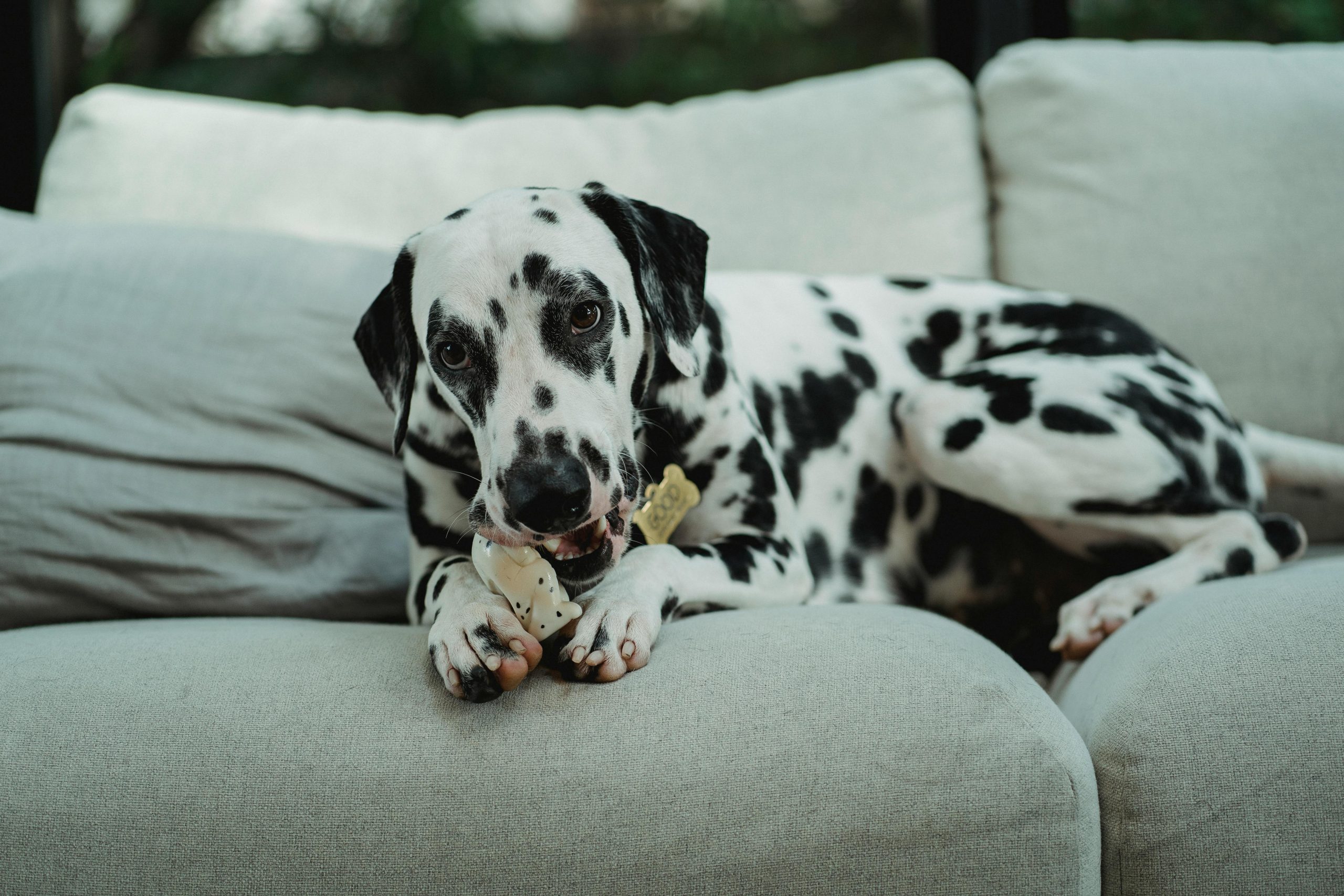
The Dalmatian is essentially the most recognizable piebald canine on this planet – so iconic that most individuals don’t consider them as “piebald” in any respect, they simply consider them as Dalmatians. The crisp white base coat coated in evenly distributed black or liver spots is genuinely distinctive within the canine world.
What makes the Dalmatian’s recognizing sample completely different from different piebald canines is its distinctive ticking – small, evenly distributed spots moderately than the massive irregular patches typical of ordinary piebald. Dalmatian puppies are literally born white; the spots seem over the primary few weeks of life as pigmentation develops. No two Dalmatians have the identical spot sample, making each particular person uniquely identifiable.
The well being connection is actual right here: roughly 8% of Dalmatians are born bilaterally deaf, and round 22-24% are unilaterally deaf in a single ear. This deafness is immediately linked to the acute depigmentation of the breed’s coat – the interior ear buildings that require melanocytes for correct perform are affected. Respected breeders take a look at puppies by way of BAER (Brainstem Auditory Evoked Response) testing earlier than placement.
2. English Setter
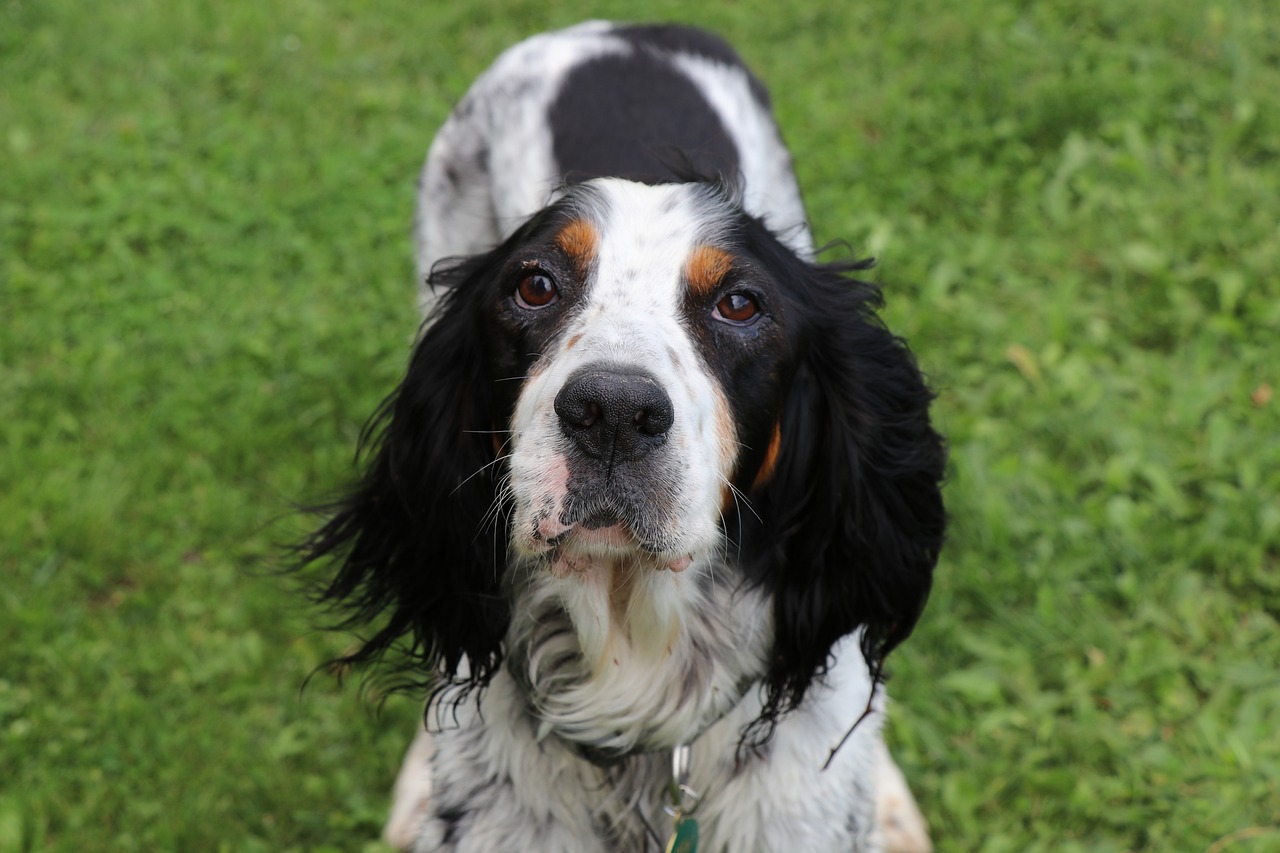

The English Setter has its personal title for its piebald sample: “belton.” The time period – named after a city in Northumberland, England – describes the breed’s attribute flecked coat, the place the white base is intermixed with small coloured ticks moderately than giant patches.
Belton can seem in a number of shade combos: blue belton (white with black flecking), orange belton (white with orange), lemon belton (white with pale yellow), liver belton (white with liver/brown), and tricolor (blue belton with tan factors). Every creates a subtly completely different impact – all distinctly lovely.
English Setters are elegant hen canines bred for endurance and a relaxed searching fashion. They “set” recreation – crouching low to mark birds moderately than flushing them dramatically. Their light temperament and putting coats have made them common as each working canines and present canines, although subject and bench strains have diverged considerably in sort over the a long time.
3. American Pit Bull Terrier
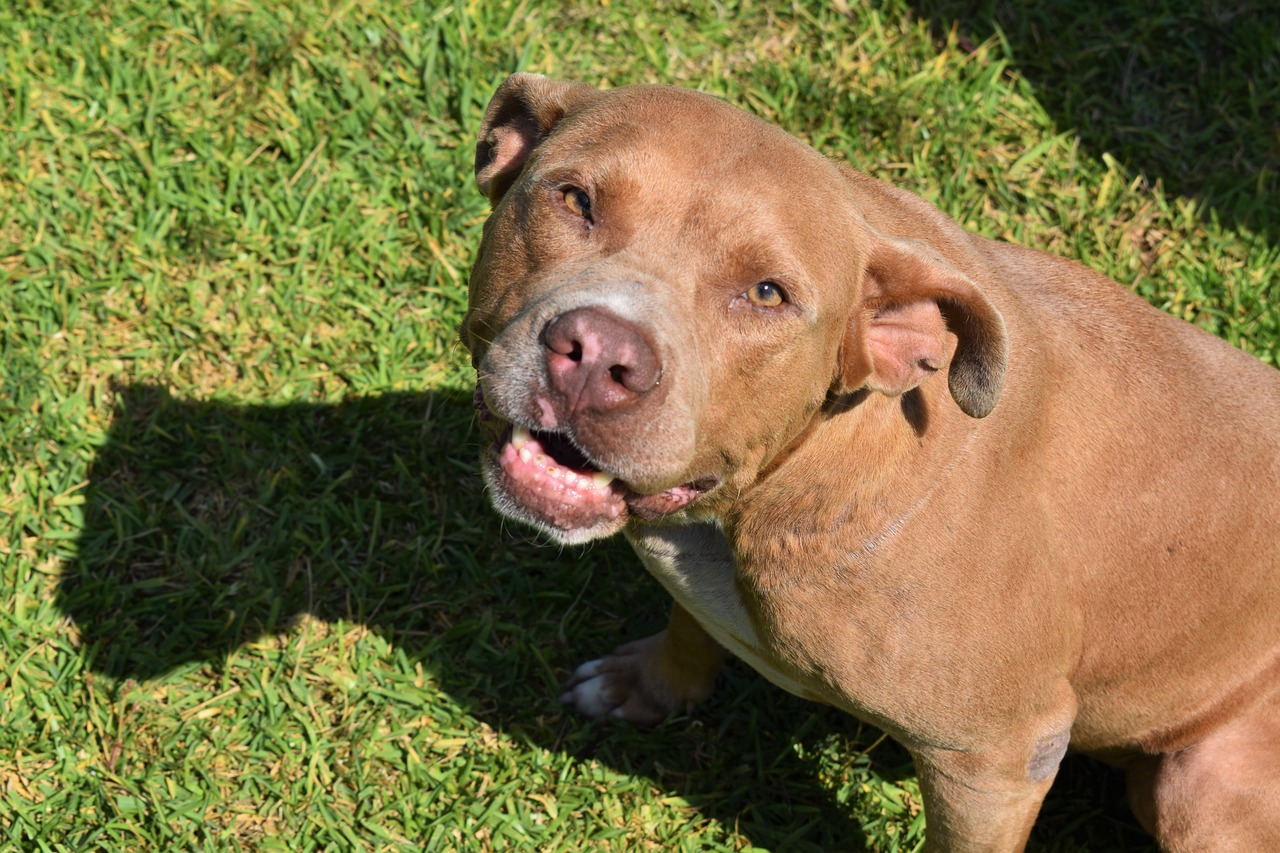
American Pit Bull Terriers are available in a variety of colours and patterns, and the piebald expression is among the many most putting. Giant white patches towards black, blue, pink, or fawn create high-contrast coats that complement the breed’s athletic, muscular construct.
In Pit Bulls, the piebald sample typically produces a particular look: a coloured head with white blaze, white chest and stomach, and coloured patches on the again and flanks. The white typically reaches the legs as nicely, creating the looks of the canine carrying socks. Mixed with the breed’s highly effective physique and expressive face, it makes for an attention-grabbing canine.
Piebald patterning in Pit Bulls follows the identical genetic guidelines as in different breeds – it’s a naturally occurring coat variant with no particular well being dangers past what applies to the breed typically.
4. Bull Terrier
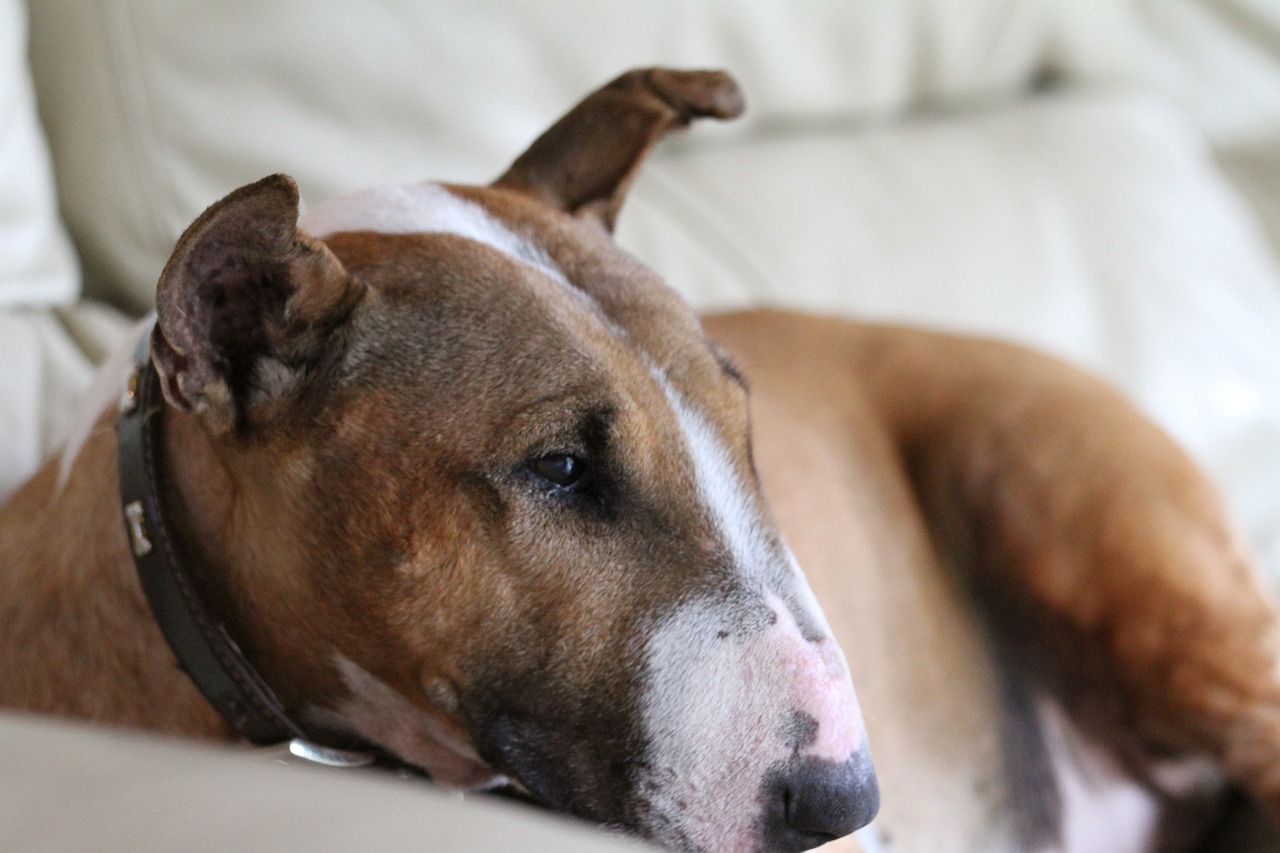
The Bull Terrier’s egg-shaped head and muscular physique are putting sufficient on their very own. Add a piebald coat and you’ve got one of the distinctively formed and patterned canines in existence. Bull Terriers with piebald patterns sometimes present predominantly white our bodies with coloured markings targeting the pinnacle – typically a shade patch round one or each eyes, over one or each ears, or on the base of the tail.
Purely white Bull Terriers (the acute white expression) carry a better deafness danger, just like Dalmatians. Accountable breeders BAER-test white Bull Terrier puppies earlier than placement. Piebald Bull Terriers with significant shade patches have decrease deafness charges than excessive whites.
Regardless of their tough-looking look, Bull Terriers are famously goofy and playful – typically described by homeowners as perpetual toddlers in canine kind. They’re comedically expressive, deeply loyal, and surprisingly affectionate.
5. Basenji
The Basenji is historic – one of many oldest home canine breeds on this planet, originating from Central Africa the place they had been used as searching canines by indigenous peoples for 1000’s of years. They’re famously the “barkless dog,” producing a singular sound referred to as a “barroo” as an alternative of a standard bark.
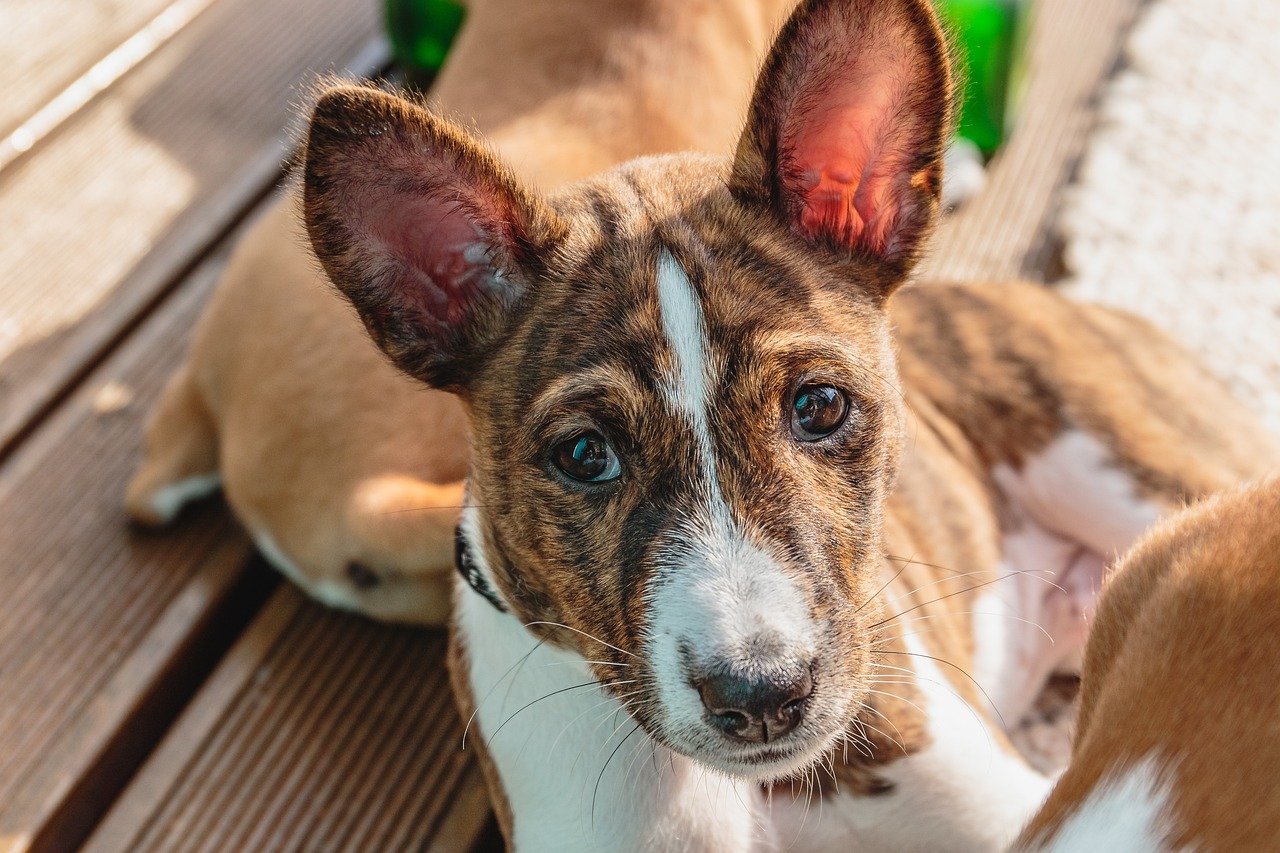
In Basenjis, the piebald sample creates crisp white markings towards a base of black, pink, brindle, or tricolor. The distinction is especially putting as a result of Basenji coats are quick and shiny – the white catches gentle cleanly towards the darkish base colours. The white is usually expressed on the ft, chest, tail tip, and generally as a blaze on the face.
Basenjis are fastidiously clear canines – cat-like of their self-grooming – and their low-maintenance coats exhibit the piebald patterning fantastically. They’re additionally very smart and unbiased, which makes them a rewarding however generally difficult breed for first-time canine homeowners.
6. Border Collie
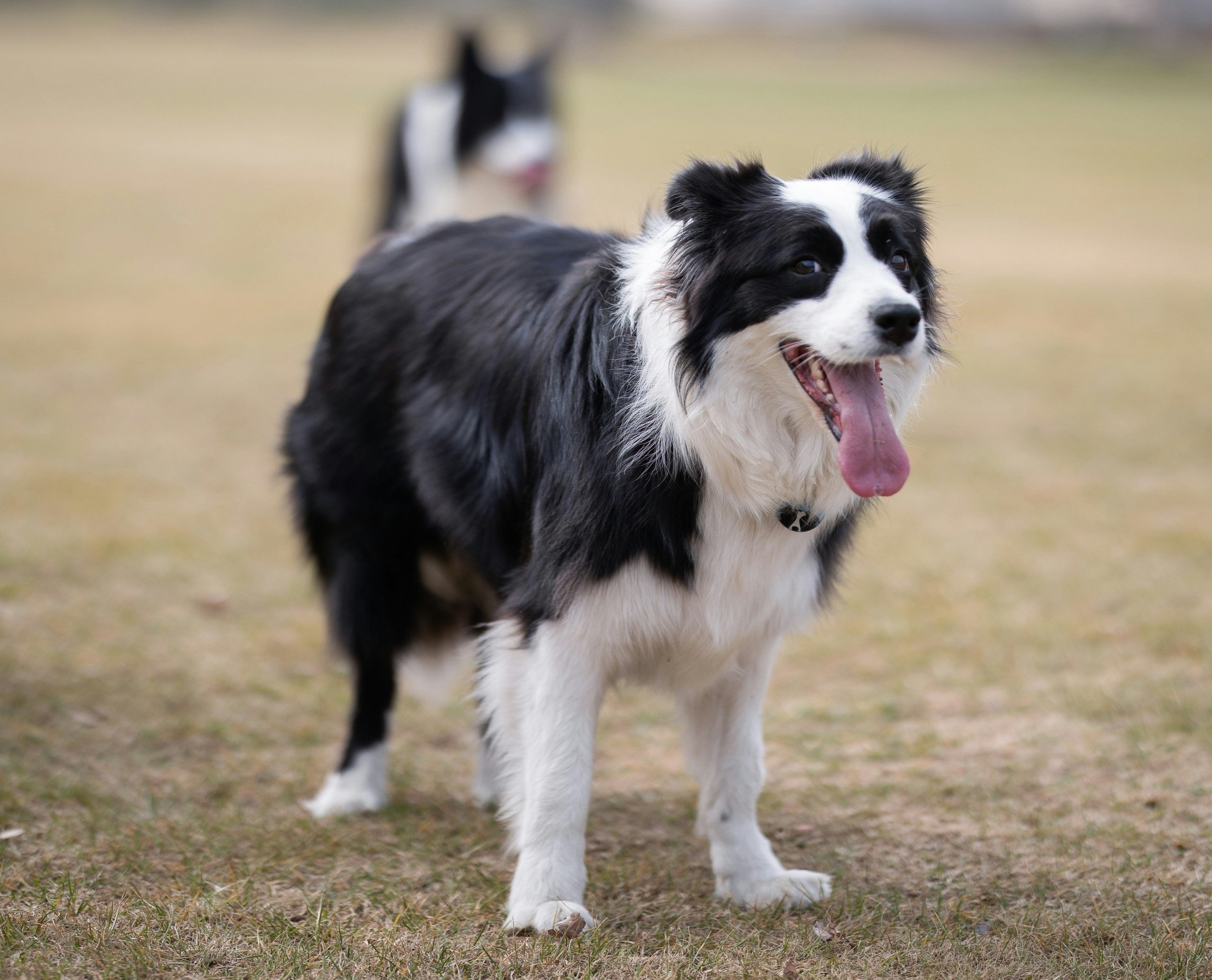

Border Collies are most likely the commonest working canine to show piebald patterning, and the basic black-and-white Border Collie is a piebald expression. The white collar, blaze, chest, and ft towards a black or blue physique is the results of the Irish recognizing or piebald sample – typically indistinguishable of their expression on this breed.
Border Collies additionally are available in piebald merle (the place the coloured patches are additionally merled/diluted), creating coats which are actually certainly one of a form. The coat might be tough (medium-length with feathering) or easy (shorter and coarser), and each coat sorts exhibit the piebald patterning fantastically.
What makes a piebald Border Collie significantly putting is that the coloured patches are sometimes targeting the pinnacle and saddle, with white flowing throughout the face, neck, chest, and legs – creating the looks of carrying a distinctly asymmetrical sample. No two look the identical. They’re one of many smartest canine breeds on this planet, which solely provides to their attraction.
7. Dachshund
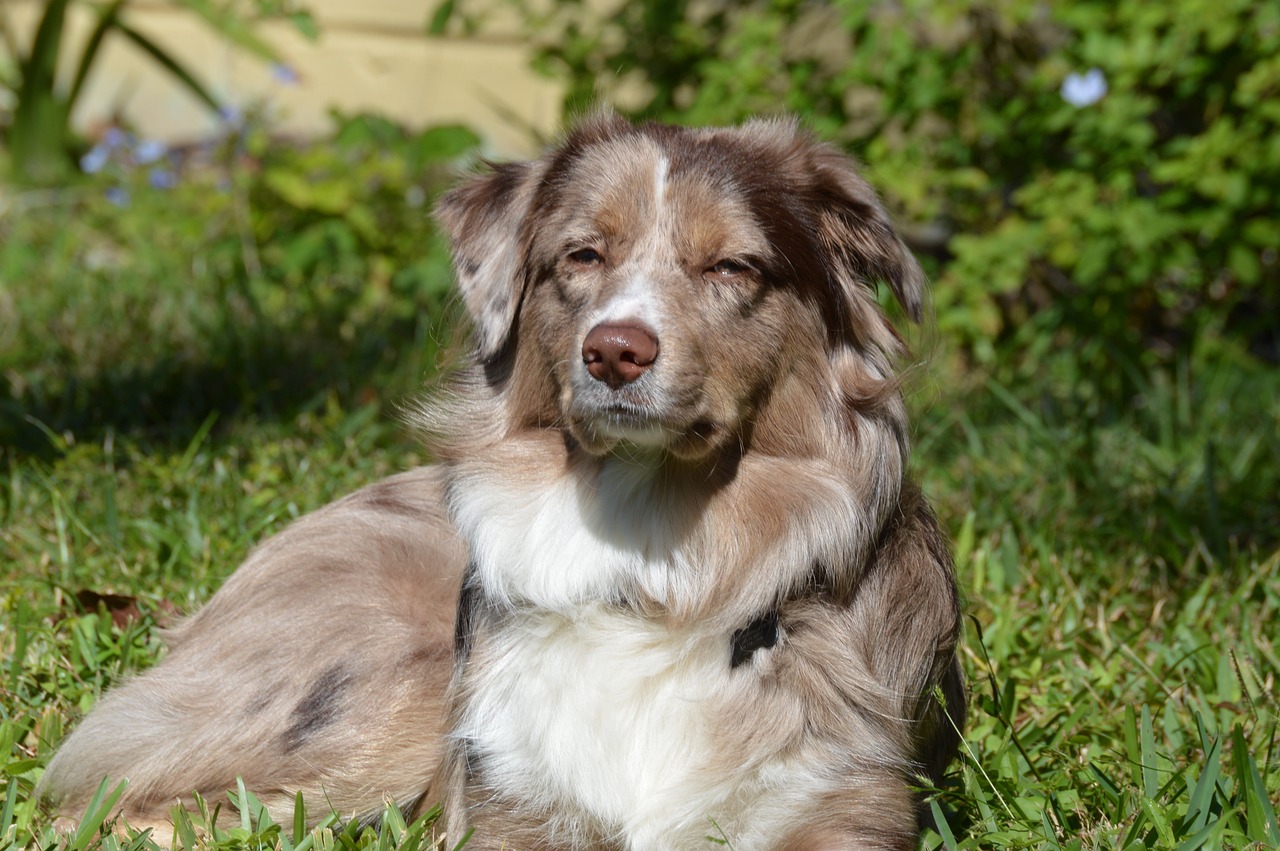
Piebald is among the most acknowledged coat patterns in Dachshunds, and it’s formally acknowledged by the AKC. A piebald Dachshund has a white or cream base coat coated with clearly outlined patches of their base shade – which might be black and tan, chocolate and tan, pink, or cream.
The distribution of the patches varies dramatically. Some piebald Dachshunds have small, tight patches targeting the pinnacle and physique. Others are principally white with only a few coloured spots. The sample is crisp and clear-edged in Dachshunds – fairly completely different from the dapple (merle) sample, which produces irregular diluted patches with a marbled look. You possibly can see how piebald compares to dapple in full Dachshund shade documentation.
One essential word for Dachshund homeowners: double dapple (two copies of the merle gene) causes vital well being issues together with blindness and deafness. Piebald is genetically unrelated to dapple and carries no equal well being danger from the sample itself.
8. Beagle
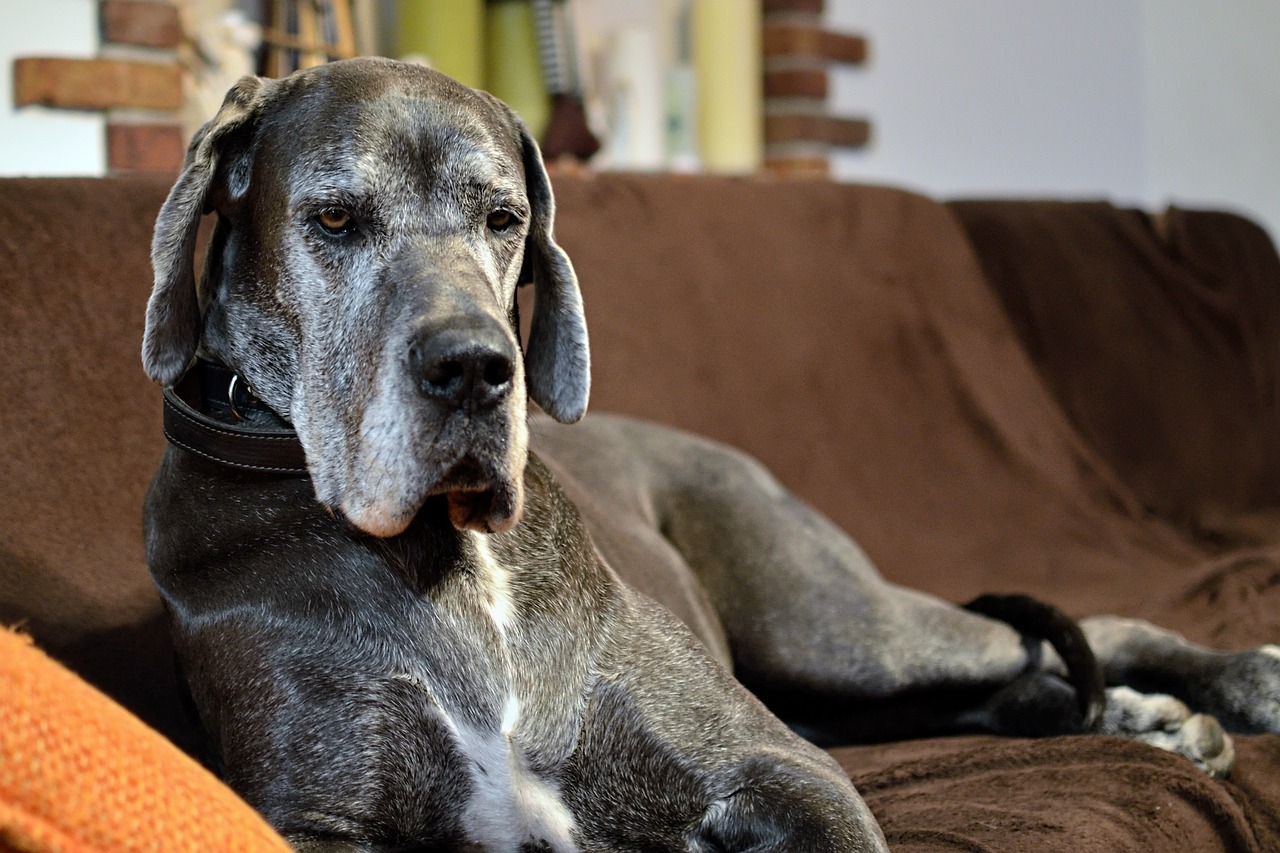
Most Beagles are tricolor – black, white, and tan – and that tricolor sample is a type of piebald. The white is produced by the piebald gene (S locus), whereas the tan factors are produced by the agouti gene individually. The result’s the basic hound sample: white base with a black saddle, tan accents on the face, legs, and chest.
Beagles may are available in bi-color piebald variations: lemon and white, pink and white, or chocolate and white. In every case, the white is the piebald expression. The patterning in Beagles tends to be pretty constant throughout the breed – white on the chest, stomach, face blaze, and paws is normal – however the distribution of the darker patches varies sufficient to make every canine particular person.
Beagles are scent hounds with extraordinary noses and powerful pack instincts. Their vocal nature (they’re bred to bay when monitoring recreation) mixed with their pleasant, curious character makes them one of the common household canines in America.
9. Australian Shepherd
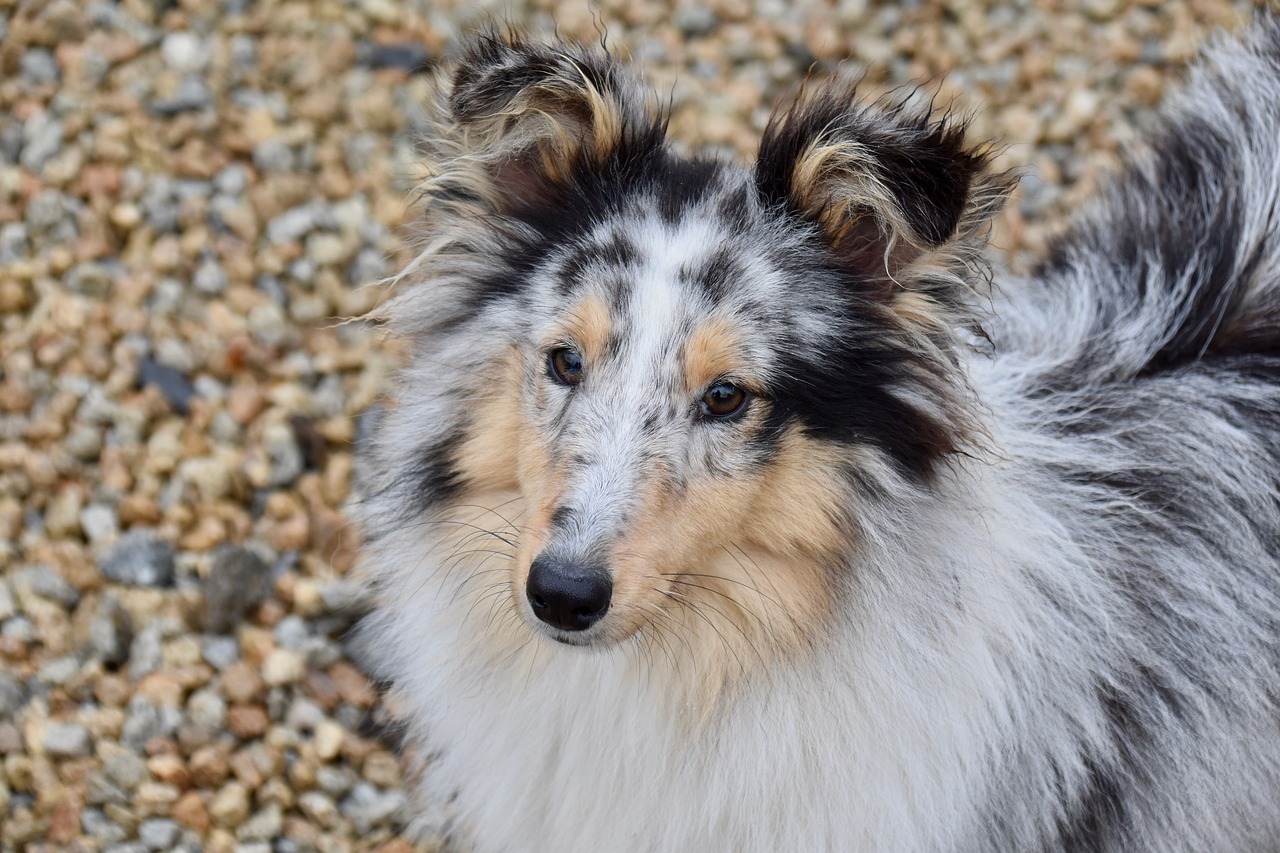
Australian Shepherds show among the most advanced and visually putting coat patterns within the canine world – and white recognizing (the piebald S locus) is a serious contributor. The white collar, blaze, chest, and leg markings seen on most Aussies are piebald expressions, typically mixed with the merle sample for optimum visible complexity.
A blue merle with piebald markings, for instance, reveals grey and black marbling (from the merle gene) overlaid with giant white patches (from piebald). Add copper tan factors from the agouti gene, and you’ve got a tricolored, bipattern canine with a coat that appears like an summary portray.
Aussies additionally illustrate the well being danger facet of utmost white expression: extreme white on the pinnacle, significantly masking each eyes and ears, is related to larger deafness and blindness danger within the breed. Because of this the breed normal discourages extreme white on the pinnacle in present canines. Respected breeders pay shut consideration to the location of white markings when planning litters.
What Else Can Trigger a Piebald-Like Look?
A number of different genetic components can create white patches that seem like piebald however have completely different underlying genetics:
Merle (M locus): Creates irregular diluted patches however works by means of a distinct gene totally. Double merle (two copies) can produce in depth white, generally visually just like excessive piebald
Brindle overlay: Can work together with white recognizing to create extra advanced patterns
White (W locus): A separate gene that creates all-white coats in some breeds, completely different from piebald however generally confused with it
If you happen to’re keen on coat genetics past piebald, the total breakdown of merle canine breeds and patterns covers essentially the most visually dramatic of the opposite coat variation genes.
Continuously Requested Questions About Piebald Canine Breeds
What causes the piebald sample in canines?
Piebald is brought on by the MITF gene on the S locus, which controls the place pigment-producing cells (melanocytes) migrate throughout embryonic growth. In piebald canines, this migration is partially inhibited, leaving patches of pores and skin and fur with out pigment – which seem white.
Is piebald the identical as merle?
No – they’re utterly completely different genetic mechanisms. Piebald (S locus) creates giant patches of white by stopping melanocyte migration. Merle (M locus) dilutes and marbles the colour in pigmented areas. A canine can specific each patterns concurrently, which creates particularly advanced coats. Try merle canine breeds for an in depth comparability.
Are piebald canines extra more likely to be deaf?
Excessive piebald expression – significantly giant quantities of white on the pinnacle – can correlate with deafness in some breeds. It is because the interior ear buildings require melanocytes to develop correctly. Dalmatians and white Bull Terriers are the breeds the place this connection is most studied. Piebald with extra balanced shade distribution carries a lot decrease danger.
What breeds are mostly piebald?
Many breeds carry piebald genetics – Dalmatians, Beagles, Border Collies, Dachshunds, Australian Shepherds, Bull Terriers, and Basenjis are among the many most well-known. The sample reveals up in dozens of breeds and mixed-breed canines.
Is piebald a uncommon sample in canines?
Not significantly – piebald is among the commonest white-spotting patterns in canines, showing in quite a few breeds. What varies is the diploma of expression: from modest Irish recognizing to in depth piebald patches to excessive white.
Can two solid-colored canines produce a piebald pet?
Sure, if each mother and father carry the piebald allele (s^p) with out expressing it themselves. A canine can carry one piebald allele and present minimal white recognizing, but when two such canines breed, some puppies can inherit two copies of the piebald allele and present full piebald patterning.
Each Sample Tells a Story
Piebald patterns aren’t random accidents – they’re the seen results of genetics enjoying out in the course of the earliest phases of a canine’s growth, formed by 1000’s of years of selective breeding and pure variation. The truth that no two piebald canines look precisely alike is among the sample’s most interesting qualities.
Whether or not you’re drawn to the peerlessly noticed Dalmatian, the elegantly ticked English Setter, or the advanced layered coat of a piebald Australian Shepherd, these canines share one thing exceptional: a coat that’s genuinely distinctive to every particular person. That’s fairly laborious to argue with.
If coat patterns fascinate you, it’s value exploring how merle genetics evaluate to piebald – collectively, they produce among the most visually spectacular canines on this planet.