
You’ve most likely Googled “why won’t my dog listen to me” not less than as soon as. Perhaps greater than as soon as, if we’re being trustworthy. And in case your canine is on this listing, there’s an excellent cause it retains occurring.
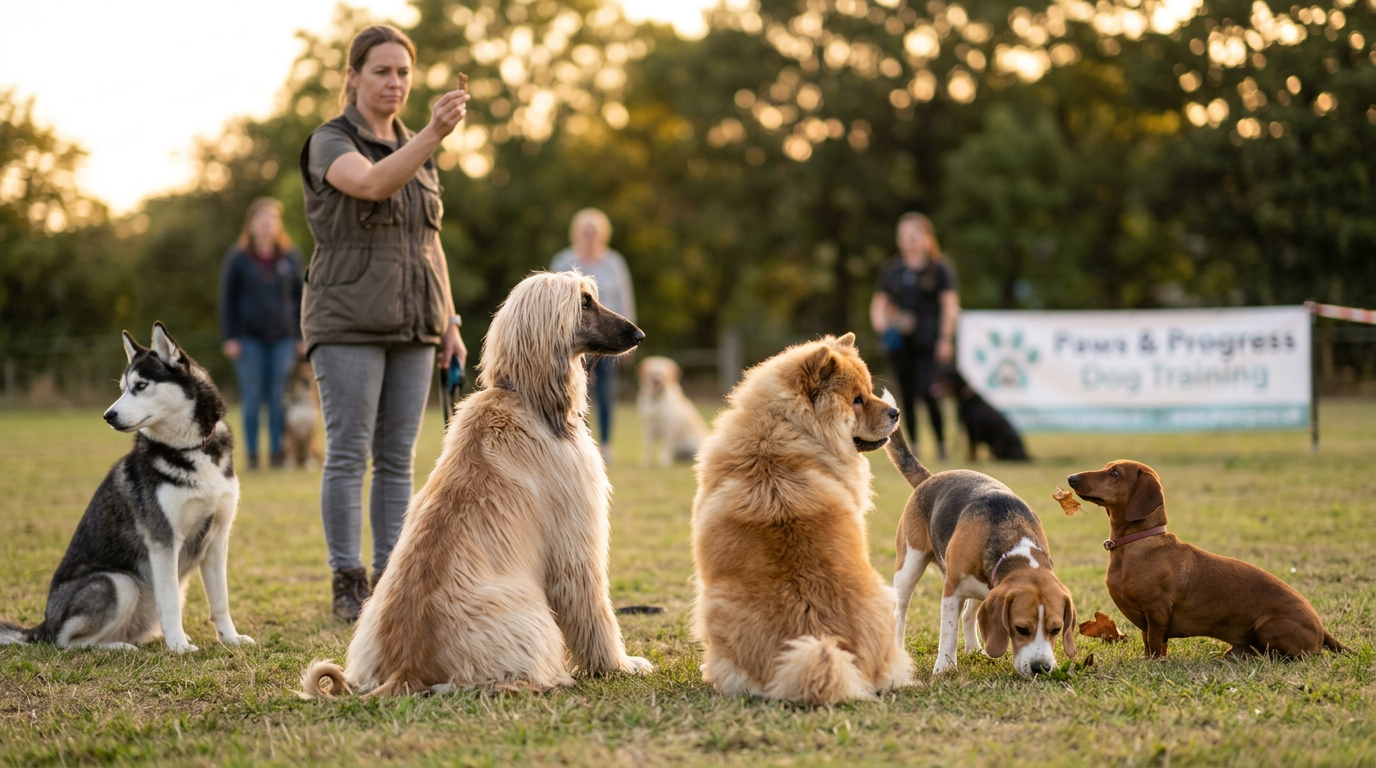
These 16 least obedient canine breeds aren’t tough as a result of they’re dumb. Most of them are genuinely good. They’re unbiased as a result of generations of selective breeding required them to make choices on their very own. Sighthounds chased prey throughout open terrain with out trying again for directions. Scent hounds adopted a path for miles, utterly absorbed within the job. Terriers dove underground after quarry and needed to suppose quick. That form of self-reliance doesn’t disappear simply since you purchased a clicker and a few coaching treats.
Coaching Problem at a Look: All 16 Breeds
Breed
Major Problem
Problem
Afghan Hound
Bred to disregard instructions and chase
🔴 Very Excessive
Chow Chow
Territorial, cat-like stubbornness
🔴 Very Excessive
Basenji
Unbiased hunter, brief consideration span
🔴 Very Excessive
Bulldog
Cussed, sluggish to be taught
🟠 Excessive
Bloodhound
Nostril overrides every thing else
🟠 Excessive
Pekingese
Believes YOU are the servant
🟠 Excessive
Dachshund
Cussed, burglary nightmare
🟠 Excessive
Welsh Terrier
Unbiased, barking, digging
🟠 Excessive
Borzoi
Chases every thing, ignores recall
🟠 Excessive
Beagle
Nostril comes first, all the time
🟡 Average-Excessive
Siberian Husky
Too good, too opinionated
🟡 Average-Excessive
Basset Hound
Gradual to reply, nose-focused
🟡 Average
Bull Terrier
Checks limits consistently
🟡 Average
Previous English Sheepdog
Herding instincts override instructions
🟡 Average
Nice Pyrenees
Unbiased guardian instincts
🟡 Average
Chihuahua
Suspicious of everybody, bossy
🟡 Average
#1 – Afghan Hound
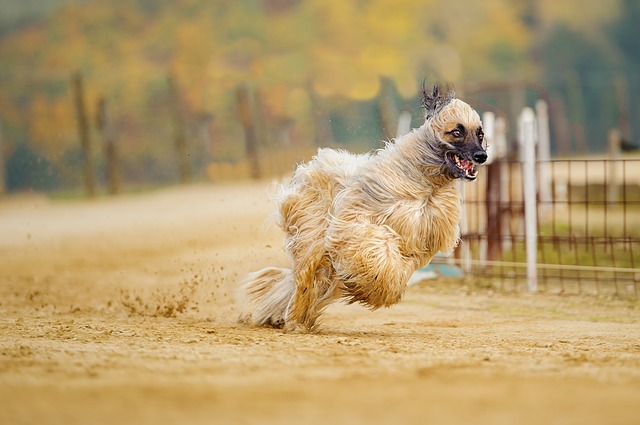
If there’s one breed that defines “least obedient dog breeds,” it’s the Afghan Hound. These canines had been constructed for one function: run at full pace after prey throughout huge, rugged terrain, making split-second choices with zero enter from a human handler. That’s not a bug. That was the whole job description.
Immediately, these historical instincts present up as an nearly comical degree of aloofness. Your Afghan will look proper by means of you. Homeowners who love the breed report that no quantity of coaching absolutely overrides the searching intuition to chase — the second one thing strikes, your canine is gone. They want a securely fenced yard and a number of other good runs per week simply to satisfy their bodily wants, not to mention their psychological ones. Coaching them is totally doable, but it surely requires persistence that most individuals underestimate. They’re deeply loyal and surprisingly affectionate with household as soon as they belief you — they simply do issues on their very own schedule.
#2 – Chow Chow
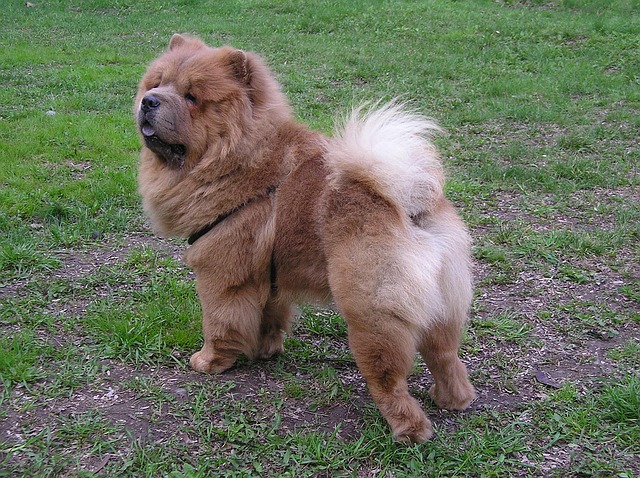
Chow Chows have what trainers lovingly name a “cat-like personality” — aloof, reserved, dignified, and genuinely detached as to whether you approve of their habits. They’re additionally very smart, which makes the stubbornness much more pronounced. A Chow is aware of precisely what you’re asking. They’re simply selecting to not do it except you’ll be able to persuade them it’s their thought.
With out early and thorough socialization, Chow Chows can turn out to be territorial and reactive towards strangers and different canines. That territorial intuition makes them glorious guard canines on their very own turf, however an actual legal responsibility anyplace else. Constructive reinforcement works — finally — however it’s worthwhile to earn a Chow’s respect earlier than they’ll even take into account listening to you. Skip the tough corrections solely. This breed shuts down and digs in tougher when pushed too far.
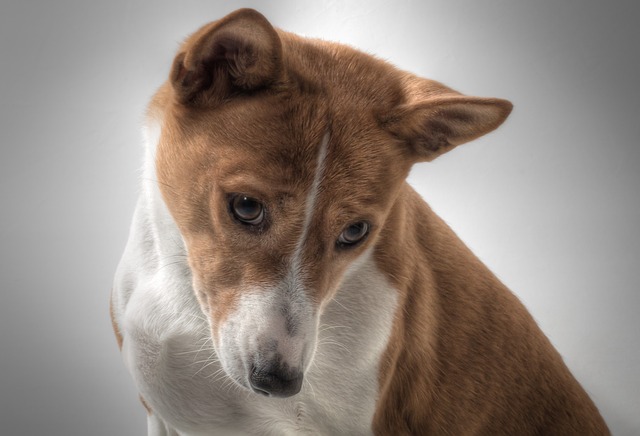
#3 – Basenji
The Basenji is just like the Chow and the Afghan Hound had a small, energetic little one collectively. Cat-like character? Verify. Unbiased hunter? Verify. Makes a sound that isn’t fairly barking — extra of a chortle-yodel hybrid that your neighbors is not going to discover endearing? Double examine.
Basenjis had been bred in central Africa to hunt independently. Which means considering for themselves is hardwired in. Their consideration span throughout coaching periods is genuinely brief, and tedium kicks in quick. However right here’s the trick: Basenjis have a excessive play drive. Should you flip coaching right into a recreation — brief periods, high-value rewards, a lot of selection — they’ll really interact. It takes inventive consistency, but it surely works. Begin socialization and primary instructions as early as you presumably can. Don’t wait on this one.
#4 – Bulldog
Bulldogs carry a centuries-old repute for tenacity. They had been initially bred to drive cattle and later for bull-baiting — each jobs that required sheer grit and willingness to maintain going it doesn’t matter what. That tenacity is alive and effectively in the present day, simply redirected into on a regular basis life. Getting a Bulldog off the sofa? Good luck. Convincing one to do one thing they’ve determined they don’t wish to do? That’s the problem.
They do issues on their very own time, at their very own tempo. They’re additionally identified for being sluggish learners throughout formal coaching, which requires persistence and very brief periods. One vital factor: Bulldogs are susceptible to weight problems, which makes train non-negotiable even after they resist it. Their brachycephalic (flat-faced) construction additionally limits how exhausting they will work in scorching climate. Prepare early, maintain periods brief and enjoyable, and reward generously.

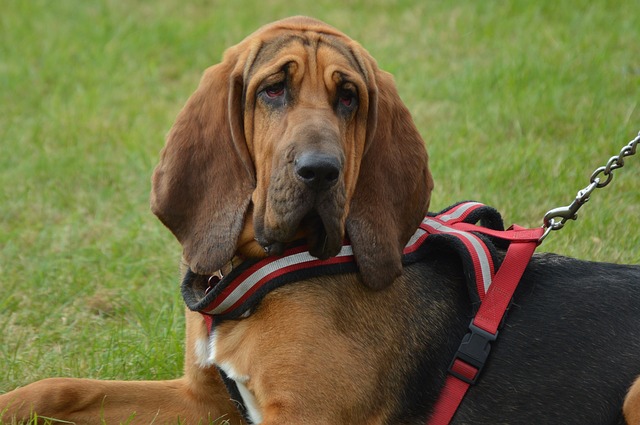
#5 – Bloodhound
The Bloodhound has a nostril so highly effective it’s been used as authorized proof in courts. That very same nostril can be why coaching one is so extremely tough. As soon as a Bloodhound catches a scent, you basically cease present. They’ll observe that path to the top of the earth, ignoring each command you throw out alongside the way in which.
Dogtime has known as the Bloodhound “the definition of stubborn,” and that’s fairly correct. With the fitting method — affected person leash coaching, a lot of train, and constant boundaries — a Bloodhound can turn out to be a splendidly light and tolerant household canine. They’re delicate souls who reply poorly to harsh corrections. Constructive reinforcement and a complete lot of construction are your finest bets. And a really safe fence isn’t non-compulsory.
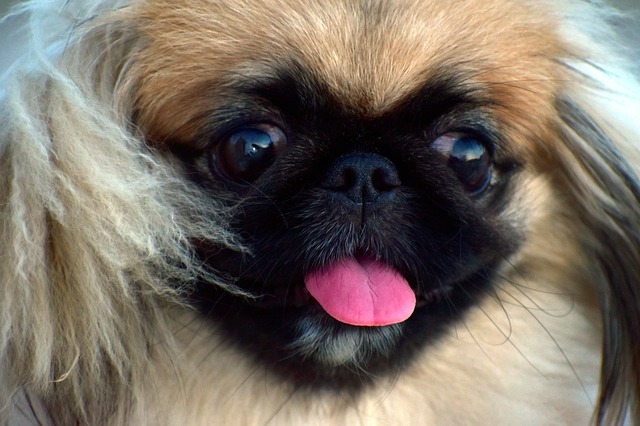
#6 – Pekingese
Bred for hundreds of years as a lap canine for Chinese language royalty, the Pekingese developed a really particular worldview: you’re their loyal topic, not their proprietor. That regal self-importance makes coaching them uniquely difficult. They’re clever sufficient to grasp instructions completely. They simply don’t see why they need to hassle complying.
Pekingese may also be territorial with strangers and different pets, which implies early socialization is non-negotiable. The secret’s discovering what motivates your particular person canine — normally a particular deal with or recreation — and utilizing that constantly. Quick, constructive periods that finish on a win. They have an inclination to answer homeowners who challenge calm confidence fairly than frustration. Getting aggravated at a Pekingese simply confirms their suspicion that you simply’re beneath them.
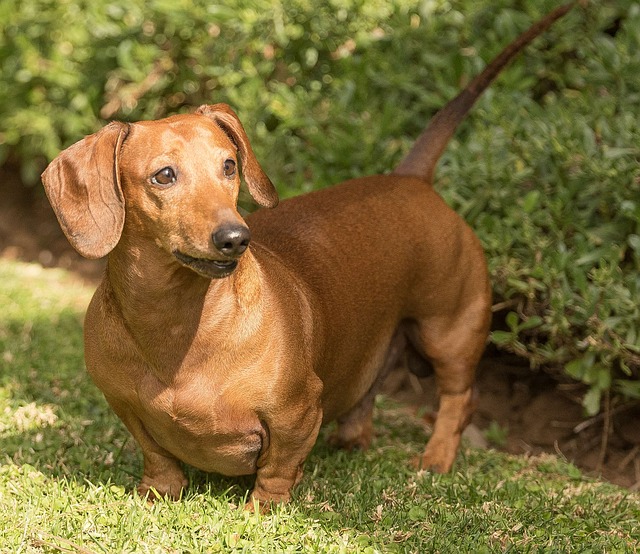
#7 – Dachshund
Don’t let the little legs idiot you. Dachshunds had been initially bred to hunt badgers, rabbits, foxes, and even boar. They dove headfirst into underground tunnels and handled harmful prey on their very own — that’s the place the digging intuition comes from, and it’s additionally why they’re notoriously exhausting to housebreak. They’re courageous, unbiased, and deeply cussed.
Boredom makes disobedience worse with Dachshunds. A bored Dachshund will tunnel by means of your yard, bark at every thing that strikes, and discover inventive methods to destroy issues. Puzzle toys and psychological coaching video games are genuinely useful right here — they want their minds occupied as a lot as their our bodies. Preserve periods very brief (5-10 minutes max) and pack them with constructive reinforcement. Consistency throughout each member of the family issues so much too.
#8 – Welsh Terrier
Welsh Terriers had been bred to hunt independently — largely foxes, otters, and badgers — which implies following another person’s instructions was by no means a part of the job. They’re good, quick, and extremely energetic. The issue isn’t that they don’t perceive instructions. It’s that they’ve determined there are extra attention-grabbing issues to do.
Welsh Terriers love puzzle-solving, and in the event you don’t channel that mentally, they’ll clear up puzzles you’d fairly they didn’t (like “how do I get into the trash” or “what’s behind that fence”). They love being up excessive — on tables, counter tops, furnishings — they usually’ll bark and dig given half an opportunity. They do finest with homeowners who present agency, constant construction wrapped in a lot of enjoyable. Consider it much less like obedience coaching and extra like maintaining a really good toddler entertained and on process.
Why Unbiased Breeds Are So Laborious to Prepare
Most of those breeds had been developed to work away from people, not beside them. Right here’s why that issues for coaching:
Selective breeding rewarded self-direction. Canine that waited for instructions made horrible hunters. Those who took initiative survived and reproduced.
Exterior rewards matter much less to them. Retrievers had been bred to please their handler. Sighthounds and terriers had been bred to please themselves. That adjustments how a lot leverage you’ve gotten with treats and reward.
They’ve increased distraction thresholds. A beagle’s nostril or a husky’s wanderlust competes straight along with your coaching session. You’re not probably the most attention-grabbing factor within the atmosphere, and it’s worthwhile to work tougher to alter that.
Harsh corrections backfire. These breeds are inclined to shut down, turn out to be defensive, or resist tougher when coaching will get confrontational. Constructive reinforcement is extra than simply “nice” — it’s more practical.
Consistency is every thing. All canines be taught by means of repetition, however independent-minded canines will exploit any inconsistency. If “sit” typically will get a deal with and typically doesn’t, they’ll simply cease bothering.
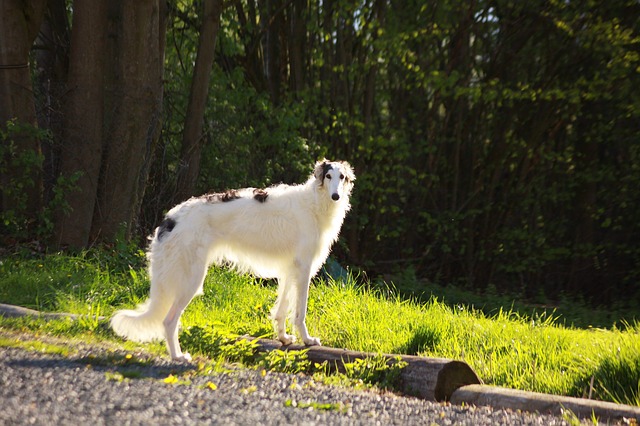
#9 – Borzoi
Should you breed a canine to hunt wolves, you most likely shouldn’t be shocked that it doesn’t really feel a robust have to observe orders. Borzois — as soon as known as Russian Wolfhounds — are elegant, quick, and deeply unbiased. The AKC notes that they are often cussed in a quiet, catlike means, and that coaching works finest with persistence, consistency, and real good humor.
Right here’s the sensible actuality: a Borzoi that spots one thing to chase isn’t coming again when known as. Their prey drive is highly effective sufficient that off-leash time ought to solely occur in well-fenced areas — by no means on an everyday outside hike or park go to with out a leash. They’re light and affectionate with household, however obedience is all the time going to be a piece in progress with this breed. Handle your expectations accordingly and also you’ll get pleasure from them way more.
#10 – Beagle
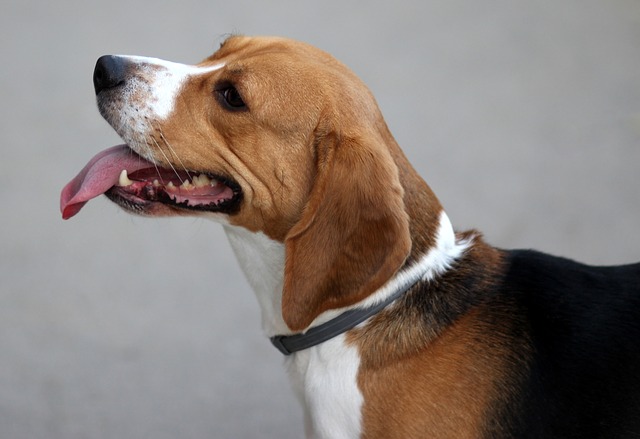
Beagles are fantastic canines. Pleasant, cheerful, nice with youngsters. However coaching one is a real take a look at of character, as a result of their nostril controls their whole world. Bred to trace small recreation all day whereas baying loudly so hunters may observe the pack, Beagles had been designed to be utterly absorbed in a scent path and utterly detached to what you consider it.
That’s precisely what occurs at house. Your Beagle smells one thing attention-grabbing exterior, and your “sit” command evaporates. They had been additionally constructed to bay — a deep, carrying sound that neighbors in any neighborhood will discover, at any hour. Beagles want lots of each day train to remain manageable, and extra train than most individuals anticipate for a mid-size canine. They’re additionally among the many most probably breeds to bolt, so a safe fence and a leash are non-negotiable. The creativity required to coach a Beagle is actual — however so is the reward when it clicks.
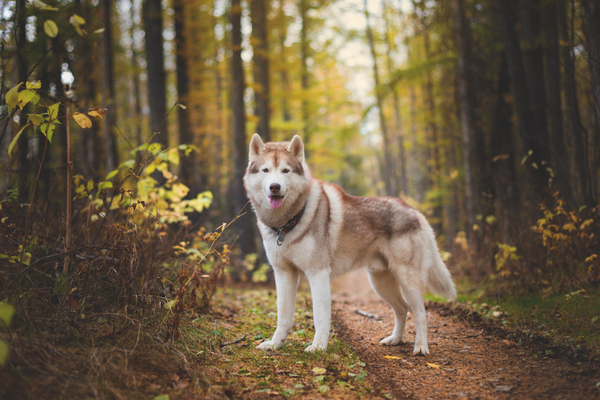
#11 – Siberian Husky
Huskies are some of the well-liked breeds in America, and some of the surrendered — partly as a result of individuals underestimate precisely what they’re entering into. They’re gorgeous, energetic, and genuinely clever. That intelligence is a part of the issue. A Husky that isn’t mentally and bodily challenged each single day will discover inventive retailers for that vitality, and also you most likely gained’t just like the outcomes.
In case your Husky isn’t responding to coaching, don’t assume they don’t perceive what you’re asking. They nearly definitely do. They’ve simply calculated that compliance isn’t price their time proper now. Huskies are among the many most high-energy breeds on the market, and drained Huskies are considerably extra cooperative Huskies. Construct a routine that features critical each day train — we’re speaking 2+ hours — and your coaching periods will go a lot better. Skimping on that and anticipating obedience is a shedding battle.
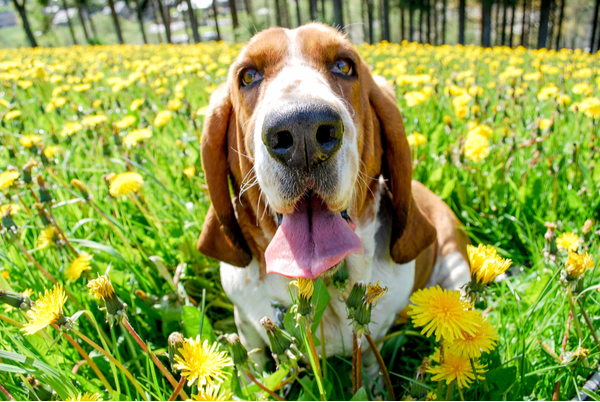
#12 – Basset Hound
Basset Hounds get a little bit of an unfair repute for being dim-witted, however the reality is extra nuanced. They’re scent hounds, bred to observe a nostril path with whole dedication, which implies instructions from you rank someplace under an attention-grabbing odor of their precedence listing. They’re not confused after they ignore you — they’re simply very centered on one thing extra necessary to them.
Basset Hounds are additionally genuinely sluggish responders. Ask a Basset to take a seat and there’s a noticeable delay earlier than something occurs. That’s not defiance, it’s simply the way in which they course of. Preserve coaching periods brief and ridiculously constant, use high-value meals rewards (they’re food-motivated, which really helps), and don’t anticipate snappy obedience. Affected person homeowners who settle for the Basset Hound’s tempo have a tendency to finish up with splendidly calm, well-behaved canines. Rushed homeowners find yourself pissed off.
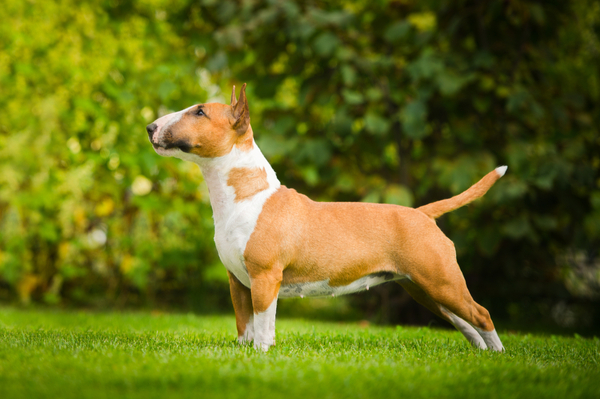
#13 – Bull Terrier
Bull Terriers have some of the distinctive faces within the canine world — that lengthy egg-shaped head is unmistakable. They’re additionally some of the persistent testers of boundaries you’ll ever meet. Bull Terriers will probe each rule you set to see how agency it really is, and in the event you give an inch, they bear in mind it eternally. They want a agency, constant method from day one.
They’re affectionate, humorous, and deeply dedicated to their households. However that lovely face could make it awfully tempting to let issues slide, which is strictly when the stubbornness will get out of hand. Bull Terriers reply effectively to assured, upbeat coaching — a lot of constructive reinforcement, clear guidelines that by no means waver, and homeowners who discover the entire thing entertaining fairly than exhausting. Should you can match their vitality and humorousness, you’ll have a splendidly loyal companion.
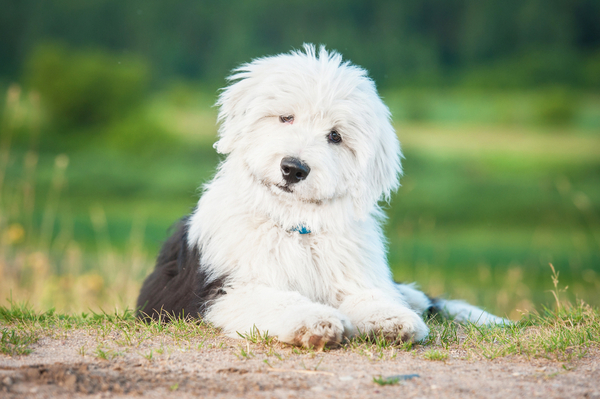
#14 – Previous English Sheepdog
Previous English Sheepdogs appear like fluffy, loveable animated bears, they usually’re each bit as charming as they seem. They’re additionally herding canines with a robust unbiased streak. Herding breeds have to make their very own choices when transferring livestock, which implies they’re not wired to easily defer to you on each name.
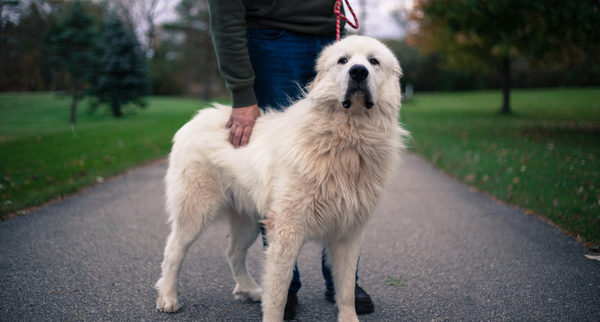
#15 – Nice Pyrenees
Nice Pyrenees had been bred to protect livestock on mountain terrain, largely with out human supervision. They’d patrol alone by means of the night time, making unbiased calls about threats. That form of job creates a canine with great confidence in their very own judgment — and a level of skepticism towards yours. They’re not aggressive or hostile. They’re simply very certain they know finest.
In the event that they sense any weak spot or inconsistency in an proprietor, they’ll take over. That’s not stubbornness as a lot because it’s simply doing their job as they perceive it. Early coaching and clear construction matter so much with this breed. In addition they are typically vocal at night time (alert barking is a part of the guardian function) and like to roam, so a tall, safe fence is crucial. For households who put within the early work, the payoff is a loyal, calm, and deeply affectionate companion. They’re price it — you simply need to earn their respect first.
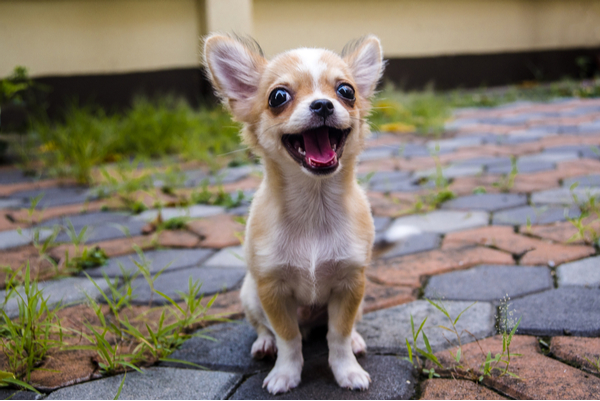
#16 – Chihuahua
Chihuahuas are tiny canines with huge personalities — and an unlimited opinion of their very own significance. They’re suspicious of strangers by default, which makes them surprisingly efficient alert canines. However that suspicion additionally creates coaching challenges, as a result of convincing a Chihuahua to simply accept individuals or conditions they’ve determined they don’t like takes actual, sustained effort.
Small canine syndrome is actual, and it normally occurs as a result of homeowners don’t apply the identical coaching requirements to little canines that they might to massive breeds. A 6-pound Chihuahua leaping on friends or growling at strangers appears much less pressing than a 90-pound German Shepherd doing the identical factor, so it typically will get ignored. Don’t do this. Chihuahuas are sharp sufficient to choose up instructions shortly — they simply want an proprietor keen to be constant about boundaries, even when it’s simpler to only let the tiny canine win. Begin early, socialize extensively, and also you’ll have a assured, well-adjusted little canine.
Ceaselessly Requested Questions Concerning the Least Obedient Canine Breeds
What makes a canine breed disobedient?
Most “disobedient” canines had been selectively bred for jobs that required unbiased decision-making. Sighthounds chased prey with out ready for instructions. Scent hounds adopted trails for miles on their very own. Terriers made split-second choices underground. That independence is a characteristic of the breed, not a flaw. These canines aren’t refusing to obey as a result of they’re dumb — most are genuinely clever. They simply weren’t bred to prioritize human instructions the way in which retrievers or shepherds had been.
Are you able to practice a canine that’s on this listing?
Sure, completely. Each breed on this listing is trainable. The secret’s understanding what motivates your particular canine (high-value treats, play, reward), maintaining periods brief and constructive, beginning early, and being relentlessly constant. Harsh corrections are inclined to backfire with unbiased breeds — they both shut down or dig in tougher. Constructive reinforcement mixed with clear, constant guidelines is the simplest method for all 16 of those breeds.
Which breed on this listing is the toughest to coach?
The Afghan Hound constantly ranks among the many most difficult, as a result of their prey drive is so highly effective that it basically overrides every thing else the second they spot one thing transferring. Chow Chows and Basenjis are shut runners-up attributable to their deeply ingrained unbiased streaks. That stated, problem varies so much by particular person canine, your coaching method, and the way early you begin.
Are unbiased canine breeds good for first-time homeowners?
Most trainers advocate in opposition to pairing a first-time proprietor with breeds just like the Afghan Hound, Chow Chow, or Siberian Husky. These canines want somebody who understands canine habits, can challenge calm confidence, and gained’t quit when issues get irritating. That’s not unattainable for a motivated first-timer, but it surely’s a steeper studying curve. Breeds just like the Basset Hound or Previous English Sheepdog are considerably extra forgiving for newer homeowners whereas nonetheless presenting actual coaching challenges.
Do these canines find yourself in shelters extra typically?
Sadly, sure. A number of breeds on this listing — together with Siberian Huskies and Chow Chows — seem recurrently on lists of probably the most deserted canine breeds. Homeowners typically undertake them based mostly on look or reputation with out absolutely researching the coaching calls for, then give up them when the truth units in. Do your analysis earlier than you decide to any breed on this listing.
Does the title “least obedient” imply these canines are dangerous pets?
In no way. Many individuals desire independent-minded canines exactly due to their personalities. Afghan Hound homeowners wouldn’t commerce that dignified aloofness for something. Basset Hound households love their sluggish, laid-back companions. Siberian Husky homeowners settle for the chaos in alternate for the loyalty and vitality. “Least obedient” simply means they want extra persistence, extra consistency, and homeowners who’ve gone in with lifelike expectations. With the fitting individual, each breed on this listing makes an exquisite companion.
Backside Line
Each canine on this listing of least obedient canine breeds comes with an actual coaching problem. However “challenging” doesn’t imply “not worth it.” It means getting into along with your eyes open, a stable coaching plan, and the persistence to keep it up even when your Dachshund ignores you for the forty seventh time in a row.
The breeds that require probably the most work from you additionally have a tendency to provide again probably the most in character, loyalty, and sheer leisure worth. Afghan Hounds are breathtaking. Siberian Huskies are hilarious. Beagles are relentlessly blissful. Chow Chows are loyal to the core when you’ve earned their belief. None of that’s diminished by the truth that coaching them takes extra effort than coaching a Golden Retriever.
Begin early, keep constant, make it constructive, and handle your expectations. You may completely construct an exquisite life with any of those breeds. You simply have to satisfy them the place they’re. Should you’re contemplating adopting certainly one of these unbiased spirits, take a look at what’s accessible at your native shelter first — a few of the finest canines on the market are ready for precisely the fitting affected person proprietor.