


Coronary heart illness in canine is a big well being concern that may have an effect on numerous breeds at totally different phases of their lives. Some breeds are genetically predisposed to cardiac points, which might result in circumstances similar to dilated cardiomyopathy, mitral valve illness, or congenital coronary heart defects. Understanding which breeds are most prone to coronary heart issues is essential for potential pet house owners, as it may well assist plan for potential veterinary care and implement preventive well being measures.
Early detection and therapy can considerably enhance the standard of life for canine with coronary heart circumstances. Delve into the canine breeds recognized for the next threat of coronary heart illness and discover the explanations behind their vulnerability. Plus, you’ll discover insights into the care wanted to handle their well being successfully. However a phrase of recommendation: in case you fear that your canine might need coronary heart points, make sure you discuss to your veterinarian for steerage.
Canine Breeds Most Liable to Coronary heart Illness
1. Cavalier King Charles Spaniel

Cavalier King Charles Spaniels are widely known for his or her threat of growing mitral valve illness (MVD), a situation by which the guts’s mitral valve degenerates, resulting in a backflow of blood and subsequent coronary heart failure. This breed can present indicators of MVD as early as 5 to 6 years of age, with many canine growing coronary heart murmurs that progressively worsen. Common veterinary check-ups and early analysis are essential in managing the situation, as well timed medical intervention can extend a Cavalier’s life. House owners of this breed should be notably vigilant for signs similar to coughing, lethargy, and decreased train tolerance.
2. Doberman Pinscher

Doberman Pinschers are notably susceptible to dilated cardiomyopathy (DCM), a illness characterised by an enlarged coronary heart that doesn’t operate successfully. DCM results in decreased coronary heart pumping effectivity, inflicting a spread of signs from fatigue and fainting to extreme coronary heart failure. Genetic predisposition performs a big position within the prevalence of DCM on this breed, making it important for breeders to conduct acceptable well being screenings. House owners ought to concentrate on the early indicators of coronary heart illness and interact in common monitoring of their canine’s coronary heart well being by means of veterinary echocardiograms.
3. Boxer

Boxers are one other breed that’s extremely prone to growing cardiomyopathy, particularly arrhythmogenic proper ventricular cardiomyopathy (ARVC). This type of coronary heart illness usually results in irregular coronary heart rhythms and could be life-threatening. Signs might embody fainting, sporadic weak spot, and sudden loss of life if the arrhythmias are extreme. Early detection by means of common coronary heart screening and using drugs to handle arrhythmias are essential in enhancing the standard of life for affected canine.
4. Nice Dane

Nice Danes are recognized to be susceptible to dilated cardiomyopathy, which is especially regarding given their massive dimension. The development of DCM in Nice Danes could be speedy and extreme, usually resulting in important coronary heart failure. The breed’s massive thoracic cavity permits the guts to enlarge extra, which might initially go unnoticed till signs turn out to be obvious. Preventative care consists of common veterinary check-ups and echocardiograms, in addition to genetic screening by breeders.
5. Cocker Spaniel

Cocker Spaniels, notably American Cocker Spaniels, are susceptible to growing dilated cardiomyopathy and mitral valve illness. These circumstances can result in a lower within the effectivity of the guts’s operate and its potential to pump blood. House owners ought to monitor for signs similar to decreased stamina, coughing, and issue respiratory. Administration of coronary heart illness in Cocker Spaniels usually entails drugs to enhance coronary heart operate and diuretics to scale back fluid accumulation.
6. Newfoundland
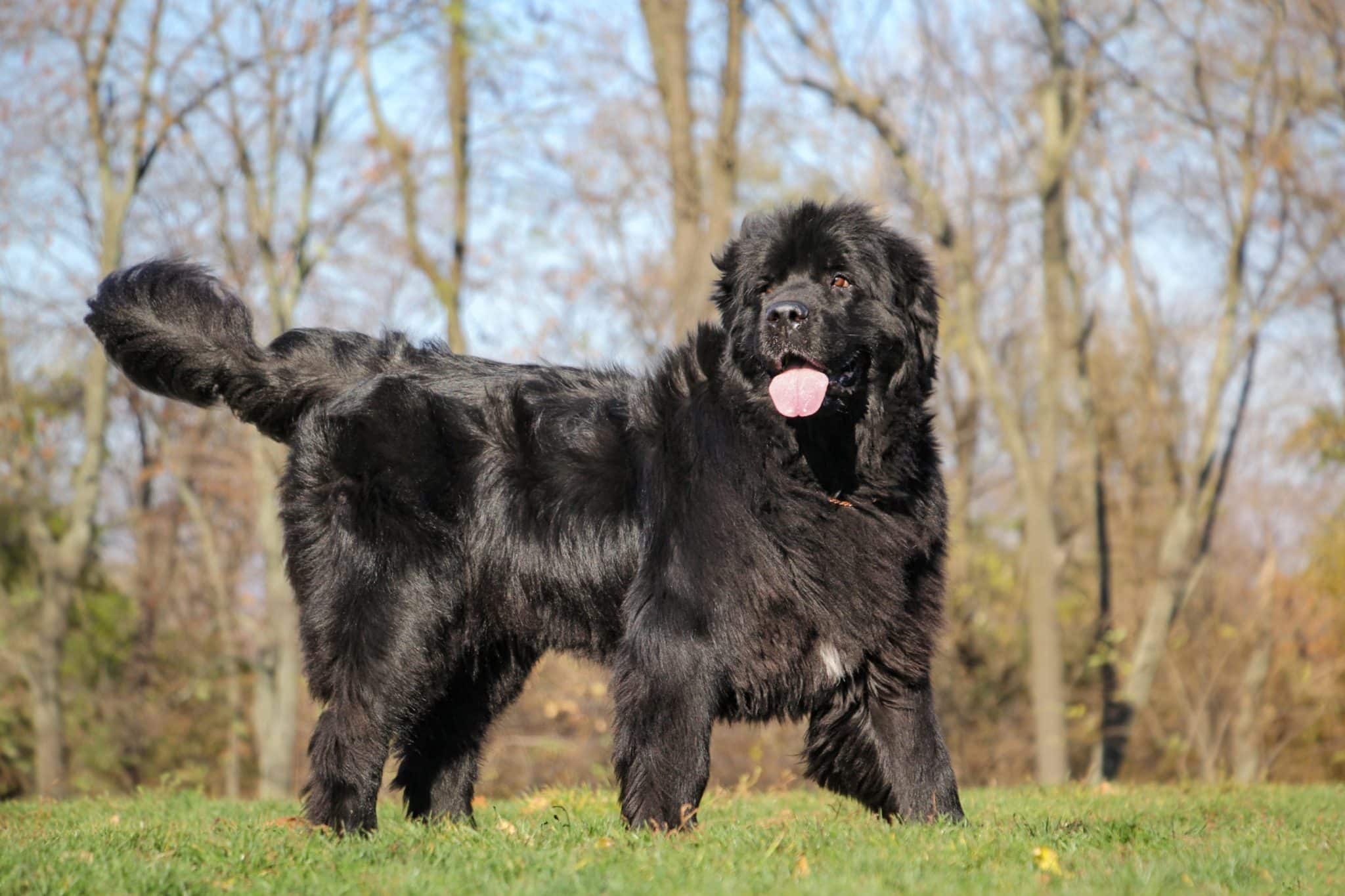
Newfoundlands are prone to a kind of congenital coronary heart illness often called subaortic stenosis (SAS), a situation the place there’s a narrowing of the outflow tract of the left ventricle. This could result in an obstruction of blood stream and elevated work for the guts. Signs won’t be evident in delicate instances, however extreme kinds can result in fainting and sudden loss of life. Common veterinary check-ups may also help to diagnose this situation early, and in some instances, surgical intervention could also be beneficial.
7. Irish Wolfhound
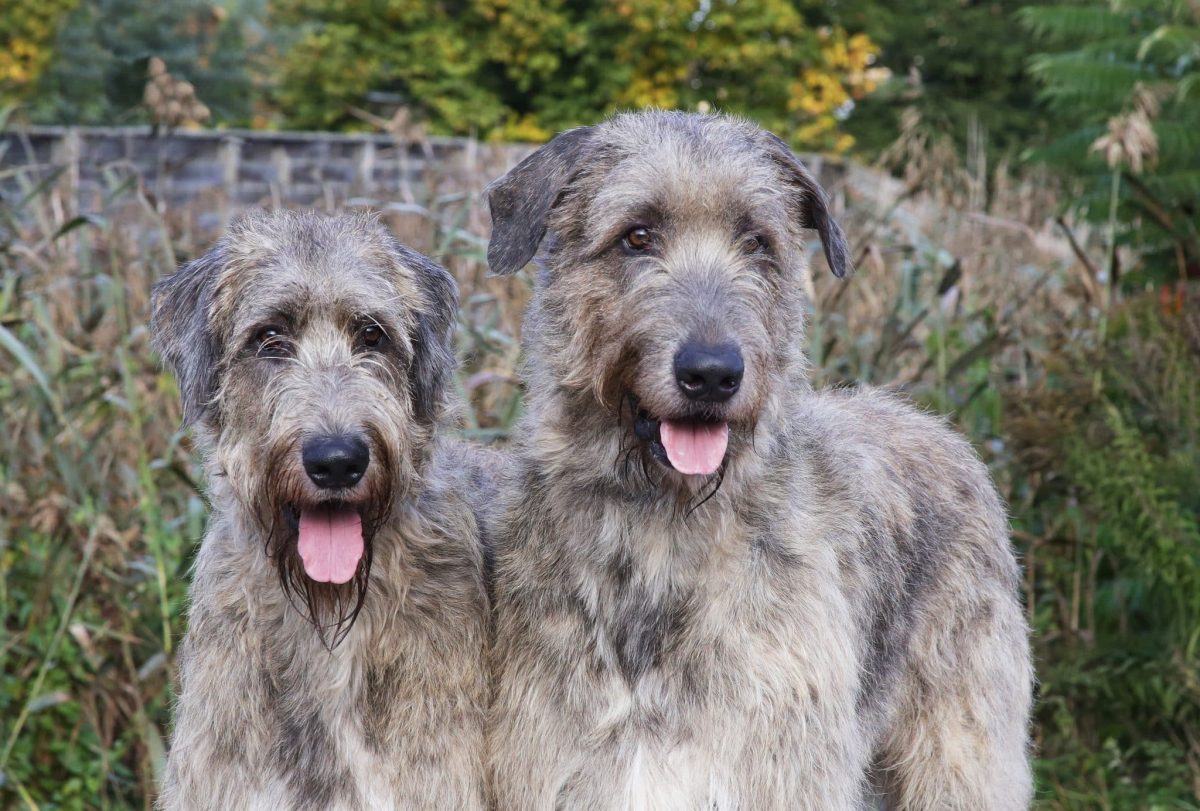
Irish Wolfhounds are in danger for each dilated cardiomyopathy and atrial fibrillation, a kind of arrhythmia that compounds issues related to coronary heart illness. Given their massive dimension and the pressure it may well place on the guts, these circumstances can considerably affect their well being and lifespan. Proactive monitoring of coronary heart well being, together with common veterinary visits and the potential use of medicines to handle coronary heart rhythm, is crucial for sustaining the well-being of an Irish Wolfhound.
8. German Shepherd

German Shepherds can endure from numerous types of coronary heart illness, together with pericardial effusion, the place fluid builds up within the sac across the coronary heart, inflicting decreased coronary heart operate. This breed requires cautious monitoring for indicators of coronary heart illness, as early detection and therapy can considerably affect the development of the situation. Therapy choices might embody drugs to enhance coronary heart operate or surgical interventions in extreme instances.
No Matter the Breed: Do You Know the Signs of Coronary heart Illness in Canine?
Whereas some canine breeds are genetically extra susceptible to coronary heart illness, any canine can develop coronary heart issues over time. That’s why realizing the early warning indicators is so necessary. Catching signs early could make an enormous distinction in therapy and high quality of life.
Widespread signs of coronary heart illness in canine embody:
Persistent coughing, particularly at night time or after train
Shortness of breath or speedy, labored respiratory
Fatigue or decreased stamina throughout walks or playtime
Fainting or collapse in additional superior instances
Lack of urge for food or weight reduction
Swollen stomach attributable to fluid buildup
Restlessness or issue getting comfy, notably when mendacity down
Some canine present very delicate indicators at first, which might simply be mistaken for regular ageing. Common veterinary checkups, particularly for senior canine or breeds at larger threat, are probably the greatest methods to detect coronary heart illness earlier than it turns into critical.
If you happen to ever discover modifications in your canine’s respiratory, vitality degree, or conduct, it’s at all times greatest to seek the advice of your veterinarian, even when your canine isn’t thought of a “high-risk” breed.

Prioritize Your Canine’s Coronary heart Well being
These canine breeds illustrate the variety and severity of coronary heart ailments that may have an effect on canines. House owners of those breeds ought to prioritize cardiac well being of their pet care routine, together with common veterinary check-ups, acceptable screenings, and, the place accessible, genetic testing. By understanding the particular dangers related to every breed, house owners can take proactive steps to make sure their pets lead wholesome and fulfilling lives regardless of their predisposition to coronary heart circumstances.


